
There is no exact age to get a facelift. The procedure is common among people between 45 and 65, but the right time depends on the condition of your facial tissues. When sagging cheeks, a less defined jawline, and loose skin around the neck can no longer be effectively addressed with non-surgical treatments, a facelift may offer a more noticeable and long-lasting solution.
In this article, we explain how to recognize the signs that it may be time for a facelift, what research says about age and the longevity of results, and what you can do if you’re not quite ready for surgery.
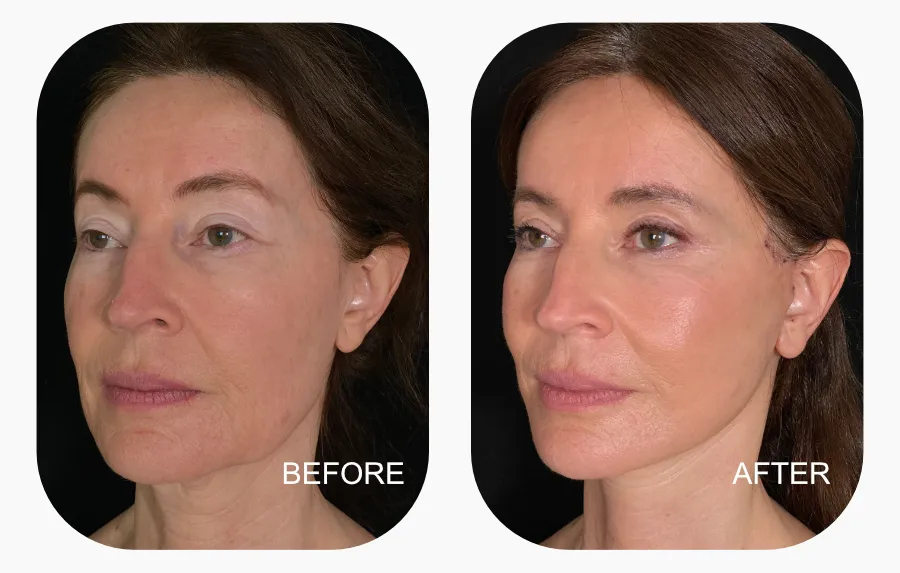
A facelift, also known as a rhytidectomy or face and neck lift, involves much more than simply tightening the skin. It repositions the deeper facial tissues that gradually descend with age. This allows the procedure to address concerns that dermal fillers and chemical peels cannot fully correct:
At AmayaClinic®, our facelift surgery in Bogotá addresses both the face and neck in a comprehensive procedure, creating balanced, natural-looking results.
| Age Group | Common Signs of Aging | Recommended Treatments |
|---|---|---|
| 30–40 years | Expression lines, early pigmentation, and reduced skin radiance | Daily sunscreen, botulinum toxin, and skin treatments |
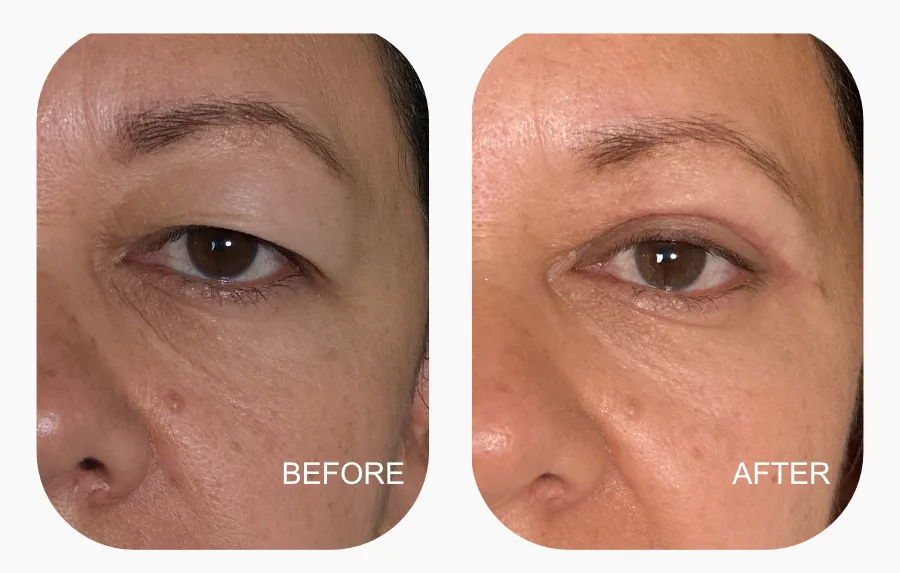
| 40–50 years | Under-eye bags, heavy eyelids, and early facial folds | Blepharoplasty, hyaluronic acid fillers, and collagen biostimulators |
| 45–65 years | Loss of jawline definition, sagging cheeks, and neck laxity | Facelift surgery, sometimes combined with blepharoplasty |
| Over 60 years | Deeper wrinkles, sun damage, and thinner skin | Facelift surgery and AmayaPeel® to improve skin quality |
This table is intended as a general guide. Some people experience significant facial sagging at 45, while others maintain good facial support well into their 60s and may not need surgery.
If your main concern is the appearance of your eyes, start by learning more about under-eye bags.
If facial sagging is still mild, several non-surgical options can help improve skin quality and reduce visible signs of aging.
These include daily sun protection, botulinum toxin, hyaluronic acid fillers, collagen biostimulators, and AmayaPeel® for wrinkles and pigmentation.
However, none of these treatments can lift and reposition facial tissues in the same way as a surgical facelift.
Understanding this difference is essential for setting realistic expectations.
Wondering whether it’s the right time for you?
Submit your photos through our online pre-assessment, and Dr. Felipe Amaya will help determine which treatment is most appropriate for your current needs.
Before surgery, patients undergo laboratory tests and a pre-anesthesia evaluation to ensure they are suitable candidates for the procedure. Incisions are strategically placed in areas that naturally conceal them, typically around the ears and along the hairline.
There is no single ideal age. Facelifts are commonly performed between the ages of 45 and 65, but the decision depends on facial anatomy, skin elasticity, and the degree of tissue sagging. Some studies suggest that patients with less advanced facial aging may achieve more favorable and longer-lasting aesthetic outcomes.
Yes. A facelift can be performed after age 70 if the patient’s overall health allows it. Chronological age alone does not determine surgical eligibility. A complete medical assessment, laboratory tests, and a pre-anesthesia evaluation are essential to determine whether surgery is appropriate.
Yes. Facelift surgery is increasingly considered by men who want to address visible signs of aging while maintaining their natural facial characteristics. Surgical techniques can be adapted to preserve masculine features, including a more angular jawline and natural-looking facial contours.
The cost of a facelift in Bogotá depends on the areas being treated and whether the surgery is combined with additional procedures, such as blepharoplasty.
At AmayaClinic®, you can receive a personalized surgical recommendation and quotation through our 100% online pre-assessment process.
A facelift isn’t about looking like someone else. It’s about bringing your appearance closer to how you feel.
If the signs described in this article sound familiar, a personalized evaluation with Dr. Felipe Amaya can help you determine whether it’s time to consider surgery or whether non-surgical treatments can still achieve your goals.
At AmayaClinic®, our approach focuses on natural-looking results, facial harmony, and personalized care at every stage of your experience.