
Liposuction helps improve body contours by removing localized fat deposits. However, one of the most common questions among people considering this procedure is: How long does it take for swelling to go down, and when will the results become visible?
This is an important question because, although fat is removed during surgery, the final body contour is not immediately visible.
After liposuction, it is normal to experience swelling, fluid retention, tenderness, and temporary changes in the appearance of the treated areas.
Most swelling gradually decreases during the first few weeks, but the tissue recovery process may continue for several months.
Understanding this progression helps patients set realistic expectations and recognize why postoperative follow-up is an essential part of their treatment.
During liposuction, specialized cannulas are inserted beneath the skin to remove subcutaneous fat and improve the contours of specific areas of the body.
As with any surgical procedure, the body activates its natural healing mechanisms.
This creates an inflammatory response that may cause:
Swelling does not necessarily indicate a complication. It is part of the body’s normal response to surgery.
However, it is important to distinguish expected postoperative swelling from symptoms that require medical evaluation.
Although every patient recovers differently, there are general stages that help explain how the body changes after surgery.
During the first few days, the treated areas commonly experience swelling, tenderness, and bruising.
At this stage, the body is beginning the tissue repair process, so swelling may be significant, and the body’s appearance will not yet reflect the expected results.
Swelling may be particularly noticeable during the first 48 to 72 hours.
This is an especially important period for following medical instructions, wearing prescribed compression garments, and attending postoperative appointments.
As the body recovers, a significant portion of the swelling begins to decrease.
Many patients start noticing changes in their silhouette, although swelling may still occur, particularly after standing for long periods or increasing physical activity.
Temporary firmness or unevenness may also develop.
These changes should be monitored to determine whether they are part of the normal healing process.
Over the following months, swelling continues to decrease as the tissues gradually adapt.
Many patients begin to notice better definition around the waist and other treated areas.
However, some areas may remain swollen, and changes in sensitivity may persist.
The pace of recovery depends on individual factors and the extent of the procedure.
Between three and six months, body contours generally become more stable.
Although many patients notice significant improvements before this stage, residual swelling may take several months to resolve completely.
In some patients, particularly those who have undergone extensive procedures, tissue recovery may continue beyond this period.
The important thing to understand is that liposuction results develop gradually and should not be judged solely during the first few weeks.
| Time After Surgery | Typical Recovery Progress |
|---|---|
| First 3 days | Initial swelling, tenderness, and possible bruising |
| First week | Persistent swelling and the beginning of tissue recovery |
| Weeks 2–4 | Gradual reduction in swelling and early changes in body contour |
| Months 1–3 | Improved body definition, although residual swelling may remain |
| Months 3–6 | Progression toward a more stable body contour |
| After 6 months | Some patients may continue to experience minor changes |
Not all liposuction procedures produce the same degree of swelling.
Several factors may influence postoperative recovery.
Liposuction performed on a small, localized area generally involves a less extensive procedure than liposculpture performed across multiple body areas.
The larger the treated area, the more complex the recovery process may be.
Age, overall health, skin elasticity, and the body’s healing capacity all influence recovery.
As a result, two patients undergoing similar procedures may experience different recovery timelines.
When liposuction is combined with a tummy tuck (abdominoplasty) or another surgical procedure, recovery may be different.
In these cases, postoperative instructions must be adapted to the specific combination of procedures performed.
Proper use of compression garments, including postoperative shapewear, recommended movement, medical follow-up, and wound care all contribute to recovery.
The goal is not to artificially accelerate healing, but to provide the right conditions for the body to recover safely.

Several measures may be recommended as part of postoperative care.
Wear Your Prescribed Compression Garment
Compression garments are commonly used after liposuction to support the treated areas and help manage swelling.
The type of garment and how long it should be worn must be determined by your surgeon.
Excessive, improper, or uneven compression may cause discomfort and complications.
Early movement, when approved by the medical team, supports circulation and helps reduce the risk of complications associated with immobility, including deep vein thrombosis.
This does not mean returning to intense exercise immediately after surgery.
Physical activity should be resumed gradually based on ch patient’s recovery.
A balanced diet that provides sufficient protein and essential nutrients supports the body’s natural tissue repair processes.
It is also important to follow hydration recommendations and avoid smoking, as tobacco use can negatively affect wound healing.
Follow-up visits allow your medical team to monitor recovery, identify unexpected changes, and adjust your care plan when necessary.
Swelling should always be evaluated in the context of each patient’s individual clinical condition.
Manual lymphatic drainage is a technique that may be included in the postoperative care of selected patients, depending on the surgeon’s recommendation.
It involves gentle techniques designed to encourage fluid movement through the tissues.
However, not every patient requires the same number of sessions, and lymphatic drainage should not be considered a treatment that guarantees the complete elimination of swelling or prevents every contour irregularity.
At AmayaClinic®, postoperative care includes recovery therapies tailored to each patient’s individual healing process.
These sessions should be performed by trained professionals, avoiding aggressive or painful techniques on recently operated tissues.
Although swelling is a normal part of recovery, certain symptoms should never be ignored.
Contact your medical team if you experience:
Shortness of breath, chest pain, fainting, or sudden respiratory symptoms require immediate emergency medical attention.
These symptoms may indicate complications that require urgent evaluation.
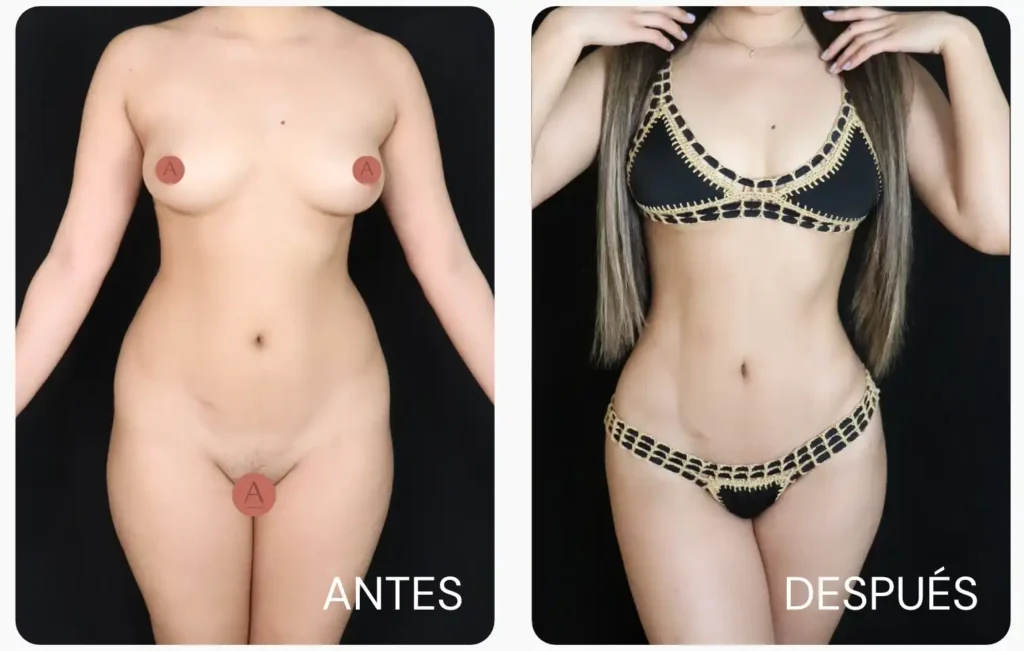
Initial changes may become visible during the first few weeks, but this does not mean the results are final.
As swelling subsides, the treated areas gradually develop a more defined contour.
In many cases, the final outcome is assessed several months after surgery, once the tissues have reached a more stable condition.
It is important to remember that liposuction is not a weight-loss procedure and does not prevent the body from accumulating fat again if significant weight changes occur.
Maintaining healthy habits and a relatively stable weight can help preserve your results.
At AmayaClinic®, planning for surgery goes beyond the operating room.
Dr. Felipe Amaya guides patients throughout every stage of their journey, from the initial consultation to postoperative follow-up.
Each recovery plan is tailored to the type of procedure performed and the individual needs of the patient.
For those traveling from other cities or countries,
AmayaClinic® also provides assistance with organizing their stay in Bogotá and planning postoperative care.
Start your journey with a complimentary online pre-assessment and explore the treatment options best suited to your goals and individual anatomy.
Yes. Swelling can continue throughout the first week and varies from patient to patient. However, if it increases significantly, becomes associated with severe pain, or is accompanied by other concerning symptoms, your medical team should evaluate it.
During the first few days, fluid retention and swelling can temporarily make the treated areas appear larger.
This does not necessarily mean the procedure was unsuccessful.
A significant portion of abdominal swelling may decrease during the first few weeks, but residual swelling can persist for several months.
The recovery timeline depends on the extent of surgery and each patient’s individual healing response.
Temporary firmness or hardness may develop during recovery.
However, areas that remain unusually hard, painful, or irregular should be evaluated to determine the underlying cause.
This depends on the procedure and your surgeon’s postoperative protocol.
Compression garments are commonly recommended for several weeks, but your surgeon should determine the appropriate duration.
Medical clearance for travel depends on the type of surgery, the time elapsed since the procedure, your mobility, and your individual risk of complications, particularly blood clots.
Patients traveling long distances should receive specific medical instructions before their trip.
Liposuction can create meaningful improvements in body contour, but the final results are not fully visible from day one.
Swelling is a natural part of the recovery process, and reducing it requires time, appropriate care, and medical follow-up.
At AmayaClinic®, every procedure is planned with careful consideration of aesthetic goals, patient safety, and individual recovery needs.
Discover which procedure may help you achieve the changes you’re looking for.